In August 2020, a doctor in Worthing raised concerns about a GP prescribing puberty blockers and cross-sex hormones. Six years later, an independent investigation found that the clinic the GP led had caused “actual potential harm” to children. The whistleblower who raised an alarm that wasn’t heeded is now in an employment tribunal against her former employer. Nick Wallis’s account draws from documents released for a tribunal which is currently in process: Redvers v NHS Sussex and Adam Doyle. Dr Redvers is making a case for constructive dismissal. NHS Sussex denies liability.
Prescribing beyond the scope
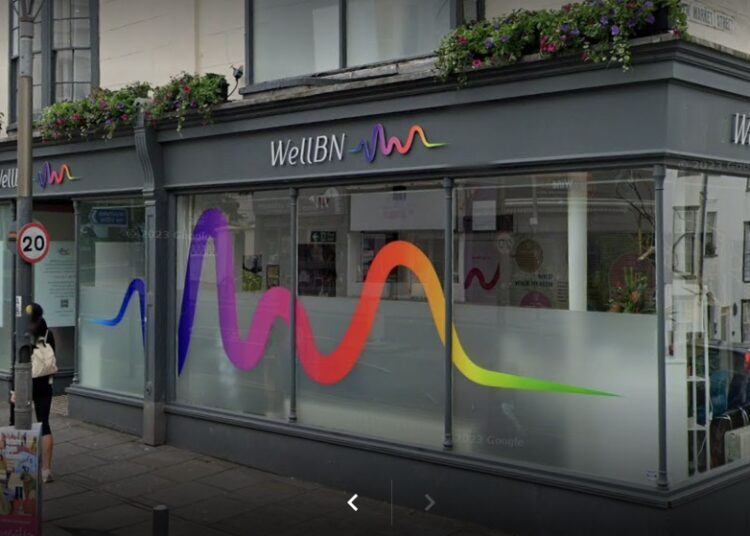
In 2020, concerns were raised about a young patient, who was anorexic, had mental health difficulties and had been prescribed testosterone by GenderGP, the online clinic founded in 2015 by Abergavenny GP Helen Webberley. In 2018 Dr Webberley was convicted of running an unregistered medical agency. She moved GenderGP abroad. It now operates from Singapore, referring patients, children included, to prescribers in the European Economic Area. At WellBN in Brighton, according to the New Statesman, children who had started on puberty blockers with private providers had their prescribing taken over by the practice.
These concerns reached Dr Sarah Redvers, the named GP for safeguarding in West Sussex. Dr Redvers informed her superiors of a “reasonable suspicion” that Dr Sam Hall, a GP, lacked training and “may be prescribing beyond…scope”. Her concerns were flagged to NHS Sussex and NHS England. However, a local review in May 2021 found “no causes for concern.”
Targeting the whistleblower
The review noted that one person’s “persistent interest in the issue appeared disproportionate”, an allegation which Dr Redvers inferred to be aimed at her. The General Medical Council closed its case against Dr Hall in July of the same year. Dr Hall then alleged that Dr Redvers and her safeguarding team were transphobic. Within weeks, the scrutiny flipped from Hall to Redvers. Redvers was not cleared so promptly. She describes a four-hour interview that had to be stopped because of her distress. A later grievance investigation found in her favour on 14 counts, and NHS Sussex apologised for their treatment of her. In a separate personal injury claim, NHS Sussex admitted liability. By then, she says, she had concluded that raising any further safeguarding concerns around WellBN would be catastrophic for her health and for her career.
On the record
None of this was secret. In August 2025, ten months before the investigation reported, Hannah Barnes revealed in the New Statesman that the 2020 concerns had led to an internal NHS England investigation. It found no professional concerns, pointed instead to long NHS waiting lists and appeared to imply that the complaint was motivated by transphobia. The General Medical Council received at least three complaints between 2021 and 2024, two of them from parents of 16-year-olds being prescribed hormones. One said that their child had forged their signature to get a first prescription. Each time, the General Medical Council found no case to answer. WellBN’s partners wrote to NHS Sussex in April 2025 that they had been starting treatment for 16-year-olds “with full transparency and with your express knowledge” for five years. Dr Hall told Trans Pride Brighton that summer: “I’ve been doing [it] for the last five years with the full knowledge of everybody in the system… What’s changed? Nothing.”
Actual harm
Dr Hall joined WellBN, a GP practice in Brighton, in 2019, and was one of its three partners by the time she left. In July 2022, the Care Quality Commission rated the practice “inadequate”. In 2024, following the Cass Review, puberty blockers were banned outside a research trial, and the review had urged “an extremely cautious clinical approach” to hormones before 18.
Ultimately, it was a legal challenge that grabbed the NHS’s attention. In 2024, the father of a child treated at WellBN applied for a judicial review. Dr Redvers claims that it was this that made NHS Sussex realise that it could be held to account for the shoddy practices in the clinic. Barnes’s reporting supports this. Less than two months after the General Medical Council closed its third complaint, NHS England told NHS Sussex that WellBN should stop prescribing hormones to 16- and 17-year-olds. NHS Sussex narrowed that to new patients only, so children already on hormones kept getting new prescriptions while the investigation was under way. “What had changed,” Barnes wrote, “is that the NHS was facing legal action.” This is a familiar pattern: despite several whistleblowers and wholesale resignations at the Tavistock, it was Keira Bell’s lawsuit that brought it under public scrutiny.
An independent patient safety investigation was agreed in May 2025. Dr Hall left WellBN that July. The investigation report, published in June 2026, found that WellBN had caused “actual potential harm” and “fell substantially below” required standards. Puberty blockers and hormones had been prescribed without a full assessment: in 22 cases without even a face-to-face appointment taking place. The investigation was restricted to the 78 patients who were still under 18 when it was commissioned. According to Dr Redvers, more than 2,000 others treated at WellBN fell outside its scope because they had turned 18 at the time of the investigation.
Parallels
Welsh Government and NHS Wales should be paying attention to the parallels.
Lack of scrutiny: At WellBN, concerns were raised by a GP in another town and an NHS safeguarding lead, not from the clinic’s own oversight. In Wales, NHS Wales ordered a review of the Welsh Gender Service in July 2024 after complaints, then took two years to start it. The surgical pause in August 2026 followed data showing that the service was referring patients for surgery at four times the English rate, concerns raised by clinicians in NHS England and sustained attention from Nick Wallis. The impetus to investigate, again, came from outside the service.
Internal culture: In both WellBN and the Welsh Gender Service, gender medicine was framed less as a clinical specialism and more of a moral cause: a “movement”, in the words of the Welsh Gender Service’s former clinical director, Dr Sophie Quinney. When questioning a treatment is treated as an attack on patients, and staff share a political commitment, few will risk raising concerns.
Advocate leadership: Dr Hall has written about a personal investment in gender medicine. Until recently, the Welsh Gender Service was led by Dr Quinney, who described herself in a 2020 video as part of the “movement to improve healthcare for trans and non-binary people” and as using “a gender-affirmative approach”. Nick Wallis noted her signature on an open letter expressing a “deep lack of confidence” in the Cass Review. A service led by individuals committed to an ideologically driven model of care will struggle to see its failures.
Who reviews the reviewers: Barnes noted that the Sussex investigation was led by the two bodies that had been warned for years and did nothing, and that its panel included two psychologists from NHS children’s gender services. Welsh Government has not yet said who the Welsh Gender Service reviewers are, or how independent they will be from the model of care under review.
Ministerial pressure for a ‘swift review’ should not cut the investigation short. Whatever data the Welsh Gender Service has not made public should be gathered and published – with such alarming headline figures, we need to know whether safeguarding and patient care have been compromised.