Welsh schools caught short on toilet provision

For context, I am a parent of two children at school in South Wales. One in primary school, and one at high school.

About six years ago, several things caught my attention.

One was an increased public awareness of the extent that women and girls are victims of sexual harassment and assault. Movements like ‘Me Too’ and reports in publications like the TES highlighted a culture in which girls seemed to be subjected to sexist/misogynist bullying, ‘unwanted touching’ and sexual assault in schools. It was endemic, and overwhelming. And schools seemed to accept this almost as ‘standard’. Girls of school age I knew seemed almost resigned to it. This appalled me. Continue reading “Welsh schools caught short on toilet provision”
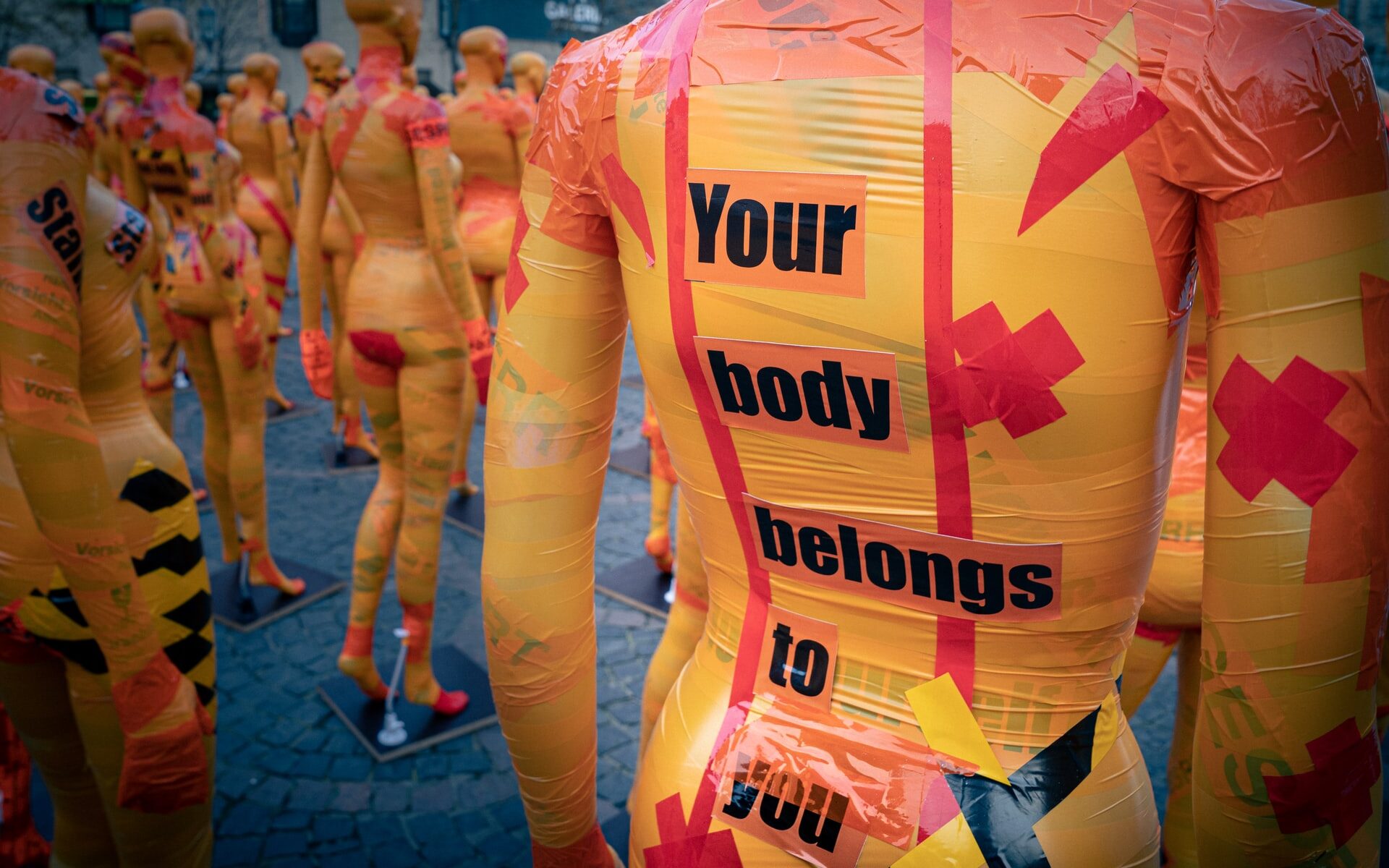
Sexual violence and the abuse of our girls

One thing I have learnt through working in this field for so long is that every act of VAWDASV (violence against women, domestic abuse & sexual violence), however small or seemingly inconsequential is linked. No act is an isolated incident, and in fact they often directly link with each other or are inter-related. Like links in a chain. Building one upon the other until you have a full chain of entrapment around you.

The level of harassment and abuse which girls face on a daily basis, in school and outside of it is staggering. I need to make it clear here that adults, whether parents, caretakers or teachers, really do not understand the scale of the problem. If you think you do. Double it. Treble it. Girls experience abuse, violence and harassment in ways unheard of in the previous generation. Social media and technology mean they are vulnerable and accessible to abusers 24 hrs a day. Continue reading “Sexual violence and the abuse of our girls”

Safeguarding needs strong boundaries

As any parent or teacher knows boundaries are an important part of keeping children safe. They are also an important part of children feeling safe. Children, from toddlers to teens need to know that adults who have their best interests at heart will maintain boundaries for them to ensure their safety, no matter how much they rail against them. As children grow it is equally important that they are involved in setting and keeping their own boundaries so that they are able to keep themselves safe both mentally and physically. This must be done sensitively, making it clear to children that they have an absolute right to their own boundaries whilst being equally clear that if somebody does transgress these boundaries that it is never their fault. The perpetrators of abuse are always at fault, never the victims. Continue reading “Safeguarding needs strong boundaries”

Gender non-conforming children: well-being, mental health homophobia and bullying

Here’s the thing about bullying: it often exposes our darkest secrets. Bullies laugh gleefully while they cruelly humiliate and shame the target. People who have been bullied often think that this is an individual failure which is specific to them: they usually blame themselves. Often everybody else blames them too. 

The child who has been bullied often feels deep down that they have been viewed, judged and then stamped with the label “not good enough”. The anguish of being abandoned and humiliated by their peers often leaves many long-term scars, and the target of the bullying can feel a deep sense of shame. Their trust in other people’s goodness may ultimately be destroyed. Continue reading “Gender non-conforming children: well-being, mental health homophobia and bullying”

The RSE curriculum must address particular harms to girls

Magazines popular among teenage girls, such as Cosmopolitan and Teen Vogue, normalise practices such as anal sex, the idea of prostitution as ‘real work’, kink, BDSM and the harmful practice of breast binding. The easy accessibility of porn has turned extreme and abusive sexual practices into everyday viewing. The influence of pornography on boys and the coercion of girls to perform sex acts which are degrading, humiliating, or cause them pain and injury needs to be urgently addressed. 

A survey funded by the European Commission in 2015 found that more than four in 10 girls between the ages of 13 and 17 in England say they have been coerced into sex acts. Continue reading “The RSE curriculum must address particular harms to girls”